⛹️ Jumping Exercises for Weight Loss Calculator
Calories burned • Jump rope • Box jumps • Burpees • Plyometrics • Workouts • Weight loss guide
| Exercise | MET Value | Cal/Hour | 160 lb / 30 min | Difficulty |
|---|---|---|---|---|
| Jumping Jacks | 5.3 | 350–400 | 175–200 | ⭐⭐ Light |
| Jump Rope Slow (120 RPM) | 7.0 | 480–550 | 240–275 | ⭐⭐⭐ Moderate |
| Jump Rope Fast (160 RPM) | 10.0 | 690–800 | 345–400 | ⭐⭐⭐⭐ Vigorous |
| Double Under (Double Rotation) | 13.0 | 900–1000 | 450–500 | ⭐⭐⭐⭐⭐ Extreme |
| Box Jumps | 7.3 | 500–550 | 250–275 | ⭐⭐⭐ Vigorous |
| Burpees | 9.8 | 670–800 | 335–400 | ⭐⭐⭐⭐ Very Hard |
| Mountain Climbers | 8.0 | 550–650 | 275–325 | ⭐⭐⭐⭐ Hard |
| Lateral Jump Squats | 7.5 | 515–600 | 260–300 | ⭐⭐⭐⭐ Hard |
| Tuck Jumps | 8.3 | 570–700 | 285–350 | ⭐⭐⭐⭐ Very Hard |
| Jump Squats | 7.5 | 515–600 | 260–300 | ⭐⭐⭐⭐ Hard |
Description: Jump feet apart while raising arms, jump feet together lowering arms
Best for: Beginners, warm-up, cardio foundation
Reps: 50–100 per set, 3 sets
Benefits: Full-body warm-up, low impact entry to jumping
FAST (160 RPM): 10.0 MET | 690–800 cal/hour | 160 lb / 30 min = 345–400 cal
DOUBLE UNDER: 13.0 MET | 900–1000 cal/hour | 160 lb / 30 min = 450–500 cal (!)
Best for: Highest calorie burn, cardiovascular fitness, coordination
Beginner pace: 120 RPM (2 jumps per second), start 10–15 min
Advanced pace: 160 RPM (2.7 jumps per second) or double unders
Benefits: HIGHEST CALORIE BURN of all jumping exercises!
Description: Jump from ground onto elevated box, land with control, step down
Best for: Explosive power, leg strength, plyometric development
Box height: 12–24 inches (start low!)
Reps: 5–10 reps × 4 sets, 60 sec rest between sets
Benefits: Explosive power, glute & quad development, athletic training
Description: Squat down, jump feet back to plank, do push-up, jump feet forward, jump up
Best for: Full-body conditioning, high calorie burn, functional strength
Reps: 10–20 reps × 3 sets, 30 sec rest
Benefits: Complete body workout, massive calorie burn, functional movement
Description: Plank position, rapidly alternate bringing knees toward chest
Best for: Core strength, cardiovascular fitness, no joint impact
Reps: 30 sec on, 30 sec rest × 10 rounds
Benefits: Core activation, cardio, shoulder stability
Description: Squat down, jump laterally to side, land in squat, jump back
Best for: Lateral movement, leg strength, agility
Reps: 20 total (10 each side) × 3 sets
Benefits: Lateral leg strength, glutes, functional movement
Description: Jump as high as possible, bring knees to chest mid-air, land, repeat
Best for: Advanced athletes, explosive power, maximum height
Reps: 10–15 reps × 3 sets, 60 sec rest
Benefits: Vertical jump improvement, quad power, athletic explosiveness
Frequency: 3x per week
Workout:
• Jumping Jacks: 3 min (warm-up)
• Jump Rope Slow (120 RPM): 3 min work, 2 min rest × 3 rounds = 9 min
• Rest: 2 min
• Jumping Jacks: 2 min (cool-down stretch)
Result: ~200–250 cal per session, sustainable pace
Frequency: 4x per week
Workout:
• Warm-up: Jumping Jacks 2 min
• Jump Rope Fast (160 RPM): 2 min work, 1 min rest × 5 rounds = 15 min
• Box Jumps: 8 reps × 3 sets (5 min)
• Jump Squats: 15 reps × 2 sets (3 min)
• Cool-down: 2 min stretching
Result: ~350–450 cal per session, mix of cardio + strength
Frequency: 5x per week (1–2 days rest)
Workout:
• Warm-up: Jumping Jacks 2 min
• Jump Rope Double Unders: 30 sec × 8 rounds = 8 min (with 30 sec rest)
• Burpees: 15 reps × 4 sets (8 min)
• Mountain Climbers: 45 sec × 4 rounds = 4 min
• Tuck Jumps: 10 reps × 3 sets (5 min)
• Cool-down: 2 min
Result: ~500–650 cal per session, MAXIMUM effort!
Warm-up first: 5 min light jumping before intense work
Land correctly: Land on balls of feet, knees bent, weight distributed
Core braced: Engage core during burpees and mountain climbers
Progression: Don't jump into advanced routine. Build up gradually!
Rest days: 1–2 days rest per week (allow recovery!)
Common injuries: Shin splints, knee pain, ankle sprains
Prevention: Proper form, adequate rest, gradual progression
Jumping Exercises for Weight Loss: Complete Guide to High-Impact Results
The Most Effective Exercise Nobody Stays Consistent With
Jump rope used to be just for boxers and kids on playgrounds. Jumping jacks were middle school gym class torture. Jump squats were advanced CrossFit movements.
But somewhere along the way, fitness professionals realized these simple jumping exercises are among the most effective weight loss tools available. They burn calories faster than almost any other exercise. They require zero equipment (except jump rope, which costs $10). They take 15-20 minutes and produce results comparable to 45 minutes of running.
Yet most people avoid them. Why? They’re hard. They’re challenging. They make you breathe hard and sweat immediately.
That difficulty is exactly why they work so well.
Here’s everything you need to know about jumping exercises for weight loss: which burns the most calories, how to start if you’re currently out of shape, what results to expect, and how to program them for maximum results.
Why Jumping Exercises Are Exceptional for Weight Loss
The Physics of Jumping
Every jump requires explosive power. Your legs push against gravity, propelling your entire body weight upward. This is metabolically expensive—your body burns significant energy.
The intensity creates four weight loss advantages:
1. Extreme Calorie Burn Per Minute
Jumping exercises are among the highest calorie-burning activities available.
- Jump rope: 15-20 calories per minute (160-lb person)
- Jumping jacks: 8-12 calories per minute
- Jump squats: 10-15 calories per minute
- Burpees: 15-20 calories per minute
- High-intensity jump circuit: 20-25 calories per minute
For comparison:
- Running at moderate pace: 12-15 calories per minute
- Cycling: 10-15 calories per minute
- Walking: 4-6 calories per minute
Jumping exercises are in the highest tier.
2. Significant Afterburn Effect (EPOC)
Intense exercise creates substantial oxygen debt requiring hours to repay. Your metabolism stays elevated for hours post-exercise.
A 15-minute jump rope session might burn:
- During exercise: ~250-300 calories
- Afterburn (next 4-6 hours): ~100-150 additional calories
- Total: ~350-450 calories from one 15-minute session
This is remarkable return on time investment.
3. Muscle Building From Lower Body
Jumping exercises build calf muscles, quadriceps, glutes, and hamstrings. More muscle = higher resting metabolism = more daily calorie burn.
4. Cardiovascular and Metabolic Benefits
Jumping exercises improve cardiovascular fitness dramatically. Your heart becomes more efficient. Blood pressure improves. Mitochondrial density (cellular energy-producing structures) increases.
Jump Rope: The Gold Standard for Jumping Weight Loss
Jump rope is the most accessible, most efficient jumping exercise for weight loss.
Is Jump Rope a Good Exercise for Weight Loss? Absolutely.
Calorie Burn Specifics (160-lb person)
- Moderate pace (120-160 jumps/minute): 15-17 calories/minute
- Fast pace (160-200 jumps/minute): 18-20 calories/minute
- Very fast pace (200+ jumps/minute): 20-25 calories/minute
- High-intensity intervals: 20-25 calories/minute
Practical Numbers:
- 10 minutes moderate: 150-170 calories
- 15 minutes moderate: 225-255 calories
- 20 minutes moderate: 300-340 calories
- 10 minutes intervals (intense): 200-250 calories
Is Jump Rope a Weight-Bearing Exercise? Yes.
Jump rope is high-impact weight-bearing exercise. Your body weight is fully supported by your legs with each landing. This is both a benefit (calorie burn, bone density) and consideration (joint stress).
Jump Rope Exercise Types and Techniques
Basic Jump Rope
Proper Form:
- Stand with rope folded in half behind feet
- Grip handles at hip height
- Turn rope by rotating wrists (not shoulders)
- Jump high enough for rope to pass under feet
- Land on balls of feet, not heels
- Keep core engaged, posture upright
Variations:
- Standard double-leg jump: Both feet leave ground simultaneously
- Single-leg jump: Alternate legs (more advanced)
- High knees: Drive knees up while jumping
- Criss-cross: Cross arms mid-jump, rope passes under feet twice
- Double-under: Rope passes under feet twice per single jump (advanced)
Best Jump Rope Exercises to Lose Weight
1. Steady-State Jump Rope (15-20 minutes)
Continuous jumping at moderate pace.
- Duration: 15-20 minutes
- Pace: 120-160 jumps/minute
- Intensity: moderate (can hold conversation with effort)
- Calorie burn: 225-340 calories
- For: building aerobic capacity, consistent calorie burn
2. Jump Rope Intervals (10-15 minutes)
Alternating intense and recovery periods.
Protocol:
- 30 seconds maximum effort jumping (as fast as possible)
- 30 seconds rest (catch breath, light movement)
- Repeat 10-15 rounds
- Total time: 10-15 minutes
- Calorie burn: 200-250 calories + significant afterburn
Benefits: Higher intensity, shorter duration, greater afterburn effect
3. High-Intensity Jump Rope Circuit (15-20 minutes)
Mixing jump rope with bodyweight exercises.
Circuit (repeat 3-4 rounds):
- 1 minute jump rope
- 20 seconds rest
- 30 seconds jumping jacks
- 20 seconds rest
- 30 seconds high knees
- 1 minute rest
Total time: 15-20 minutes Calorie burn: 250-350 calories
Jumping Jacks: Simple and Effective
Is Jumping Jacks a Good Exercise for Weight Loss? Yes, though less intense than jump rope.
Proper Form:
- Stand with feet together, arms at sides
- Jump while spreading legs to shoulder-width
- Simultaneously raise arms overhead
- Jump back to starting position
- Repeat continuously
Calorie Burn (160-lb person):
- Moderate pace (40-50 per minute): 8-10 calories/minute
- Fast pace (60+ per minute): 10-12 calories/minute
- 1 minute: 8-12 calories
- 5 minutes: 40-60 calories
- 10 minutes: 80-120 calories
Jumping Jack Variations:
- Slow jumping jacks: Lower intensity, better for beginners
- Fast jumping jacks: Higher intensity
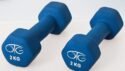
- Weighted jumping jacks: Holding dumbbells increases difficulty
- Resistance band jumping jacks: Band around legs increases resistance
Jump Squats: Lower Body Power
Proper Form:
- Stand with feet hip-width apart
- Squat down (as if sitting in chair)
- Explosively jump upward, reaching arms overhead
- Land softly in squat position
- Repeat continuously
Jump Squat Variations:
- Bodyweight jump squat: Standard variation
- Weighted jump squat: Holding dumbbells
- Jump squat with weights: Dumbbell in each hand
- Jump squat exercise with weights: Loading creates higher difficulty
- Explosive jump squat: Maximum height, power emphasis
Calorie Burn (160-lb person):
- 8-12 calories per minute
- 10 minutes: 80-120 calories
Benefits:
- Tremendous lower body power development
- Glute and quadriceps activation
- Builds explosive strength (useful for sports)
- Higher intensity than jumping jacks
Advanced Jumping Exercises
Burpees (Jump-Based Variation)
Proper Form:
- Stand, bend down, place hands on floor
- Jump feet back into push-up position
- Perform push-up
- Jump feet back toward hands
- Explosively jump upward, reaching overhead
- Repeat
Calorie Burn: 15-20 calories per minute (very high)
Challenge: Burpees are extremely difficult. Use them sparingly until significant fitness level.
Box Jumps (Advanced Power)
Jump onto elevated platform, focusing on maximum height.
Calorie Burn: 12-15 calories per minute
Benefits: Pure power development, minimum time, maximum intensity
Vertical Jump Exercises (With and Without Weights)
Vertical Jump Exercises Without Weights:
- Jump rope (develop calf power and coordination)
- Jump squats (develop leg power)
- Single-leg hops (develop unilateral strength)
- Lateral bounds (develop side-to-side explosiveness)
Vertical Jump Exercises With Weights:
- Jump squat with dumbbells: Holding dumbbells increases load
- Jump squat with weight vest: Adding vest increases all-over load
- Vertical jump exercises with ankle weights: Adds resistance to legs
- Jump training with weights: Resistance emphasizes strength component
Benefits: Develops vertical jump height (useful for basketball, volleyball) while building strength and burning calories.
Weighted Jumping Exercises: Increased Challenge and Results
Why Add Weight to Jumping?
Weights increase:
- Calorie burn (more mass to move)
- Muscle building stimulus
- Strength development
- Difficulty (use for advanced practitioners)
- Injury risk (use carefully)
Weighted Jump Rope Exercises
Weighted jump rope: Jump rope handles with weight (typically 0.5-2 lbs per handle)
- Higher intensity than standard rope
- Increased arm and shoulder engagement
- Greater calorie burn (~20-25 calories/minute)
- Better for advanced practitioners
Jumping Jacks With Weight:
- Holding dumbbells (2-5 lbs per hand) while jumping
- Increases difficulty significantly
- Greater calorie burn (12-15 calories/minute)
- Better for strength development
Jump Squats With Weights:
- Dumbbells in hands: 8-15 lbs total
- Dumbbell goblet position: single heavy dumbbell held at chest
- Barbell back squat jump: advanced, requires technique
Increased load increases difficulty, calorie burn, and muscle building.
Weighted Vest Jumping:
- Weighted vest (10-20 lbs) worn while jumping
- Increases load across entire body
- Greater calorie burn during all jumping exercises
- Can combine with jump rope, jumping jacks, jump squats
Jumping on Trampoline for Weight Loss
Is Jumping on a Trampoline Good Exercise for Weight Loss?
Yes, with important caveats.
Trampoline Jumping Benefits:
- Lower impact than ground (bouncy surface absorbs some force)
- High calorie burn (12-15 calories per minute)
- Fun factor (less drudgery than traditional exercises)
- Full-body coordination challenge
- Good for balance development
Is Jumping on a Trampoline Weight-Bearing Exercise?
Technically yes, though reduced impact compared to ground jumping. Your weight is still supported against gravity, but the bounce reduces joint stress.
Drawbacks:
- Less intense than ground jumping (bouncy surface reduces effort)
- Less accessible (most people don’t have trampolines)
- Lower calorie burn than jump rope or jump squats
- Limited variety compared to other jumping exercises
Jumping Exercise Programming: For Beginners and Advanced
Week 1-2: Foundation Building
If you’re currently out of shape or haven’t jumped in years, start gradually.
Session 1: Jumping Jacks Only
- 5 minutes warm-up (walking, arm circles, dynamic stretching)
- 3 sets x 20 jumping jacks (10 seconds work, 20 seconds rest)
- 5 minutes cool-down
- Total time: 15 minutes
- Calorie burn: ~80-100
Session 2: Introduce Jump Rope
- 5 minutes warm-up
- 2 minutes jump rope (or 30 seconds intervals x 4 if 2 minutes continuous is too hard)
- 3 sets x 15 jumping jacks
- 5 minutes cool-down
- Total time: 15-20 minutes
- Calorie burn: ~100-120
Week 3-4: Building Capacity
Increase duration and intensity as fitness improves.
Session 1: Jump Rope Focus
- 5 minutes warm-up
- 5 minutes jump rope (moderate pace, break as needed)
- 3 sets x 20 jumping jacks
- 5 minutes cool-down
- Total: ~20 minutes
- Calorie burn: ~150-180
Session 2: Introducing Jump Squats
- 5 minutes warm-up
- 3 minutes jump rope
- 3 sets x 10 jump squats
- 2 minutes jump rope
- 5 minutes cool-down
- Total: ~20-25 minutes
- Calorie burn: ~180-220
Week 5-6: Intermediate Training
Longer durations, higher intensity.
Session 1: Jump Rope Intervals
- 5 minutes warm-up
- 8 rounds of (30 sec max effort, 30 sec rest)
- 5 minutes cool-down
- Total: ~15-20 minutes
- Calorie burn: ~200-250 + afterburn
Session 2: Mixed Jumping Circuit
- 5 minutes warm-up
- 3 rounds of:
- 1 minute jump rope
- 30 seconds jumping jacks
- 30 seconds jump squats
- 1 minute rest
- 5 minutes cool-down
- Total: ~20-25 minutes
- Calorie burn: ~250-300
Week 7+: Advanced Training
Multiple sessions weekly, higher intensity, weighted variations.
Session 1: Jump Rope Steady-State
- 5 minutes warm-up
- 15-20 minutes jump rope (continuous)
- 5 minutes cool-down
- Total: ~25-30 minutes
- Calorie burn: ~300-400
Session 2: High-Intensity Circuit
- 5 minutes warm-up
- 4-5 rounds of:
- 30 seconds max effort jump rope
- 30 seconds jumping jacks
- 20 seconds jump squats
- 20 seconds rest
- 5 minutes cool-down
- Total: ~20-25 minutes
- Calorie burn: ~300-400 + significant afterburn
Session 3: Weighted Jumping (Optional)
- 5 minutes warm-up
- Weighted jump rope (15 min) OR
- Jumping jacks with dumbbells + jump squats with weights (circuit)
- 5 minutes cool-down
- Total: ~25 minutes
- Calorie burn: ~350-450
Jumping Exercises for Weight Loss: Results Timeline
Week 1-2:
- Significant soreness (calves, quads, glutes intensely sore)
- Breathing dramatically harder than usual (cardiovascular demand)
- Difficulty sustaining jumping for more than 1-2 minutes initially
- Weight scale might increase slightly (muscle water retention)
- Calf and leg size might increase slightly (pump from jumping)
Week 3-4:
- Soreness decreases significantly
- Can sustain longer jumping intervals
- Breathing becomes more manageable
- Weight loss beginning to show (1-3 pounds)
- Noticeably improved cardiovascular fitness
- Clothes fit slightly better around legs
Week 6-8:
- Obvious cardiovascular improvements
- Can jump for 10+ minutes continuously
- 5-8 pound weight loss typical
- Visible muscle definition in legs and calves
- Dramatically improved fitness level
- Energy levels significantly higher
3 Months:
- 10-20 pound weight loss (depending on diet)
- Significant leg muscle development and definition
- Transformed cardiovascular fitness
- Can do all advanced variations comfortably
- Major body composition changes
- Sustained habit formation
6 Months:
- 20-40 pound weight loss (with adequate nutrition)
- Lean, defined legs
- Excellent cardiovascular fitness
- Ability to do advanced variations (weighted, high-intensity intervals)
- Life transformation from improved fitness and health
Jumping vs. Running vs. Cycling for Weight Loss
Calories Per Minute Comparison (160-lb person)
| Exercise | Easy | Moderate | Intense |
|---|---|---|---|
| Walking | 4-5 | 6-7 | N/A |
| Cycling | 8-10 | 12-15 | 18-20 |
| Running (5.5 mph) | 10-12 | 12-15 | 18-20 |
| Jump Rope | 12-15 | 15-20 | 20-25 |
| Jumping Jacks | 5-8 | 8-12 | 12-15 |
| Jump Squats | 8-12 | 10-15 | 15-18 |
| High-Intensity Jumping | 20-25 | 20-25 | 25+ |
Winner: High-intensity jumping exercises burn more calories per minute than running or cycling. However, most people can sustain running/cycling longer than jumping, changing total calorie burn.
Verdict: Jump rope and jumping exercises are superior for time-efficient calorie burn. Running/cycling sustainable longer if preferred. Choose based on personal preference and consistency.
Common Jumping Questions for Weight Loss
Q: Is Jumping Exercise Good for Weight Loss?
A: Absolutely. Among the highest calorie-burning exercises available. 15-20 minutes of jumping burns as many calories as 45+ minutes of running.
Q: No Jumping Exercises to Lose Weight? (For Joint Issues)
A: Alternative high-calorie-burn exercises exist: cycling, rowing, swimming. But if you can tolerate impact, jumping is superior.
Q: Jump Rope Exercise for Weight Loss for Men?
A: Works equally for men and women. No differences in effectiveness based on gender.
Q: Is Jumping Rope a Good Losing Weight Exercise?
A: One of the best. High calorie burn, accessible, time-efficient, results-producing.
Q: Can I Lose Weight Jumping Rope Exercise Alone?
A: Weight loss requires calorie deficit. Jump rope burns calories; nutrition creates deficit. Both matter.
Q: Body Weight Exercises for Vertical Jump?
A: Jump rope, jump squats, single-leg hops, lateral bounds all develop vertical jump ability without additional equipment.
Q: Best Weight Exercises to Jump Higher?
A: Back squats, leg presses, calf raises with weight, deadlifts, jump squats with dumbbells develop strength underlying vertical jump.
Q: Is Jumping on a Trampoline Weight-Bearing Exercise?
A: Yes, though with reduced impact. Your weight is supported, but bouncing surface reduces force compared to ground jumping.
Q: Jumping Exercises With Weighted Vest?
A: Significantly increases difficulty and calorie burn. 10-20 lb vest increases load, burning more calories. Good for advanced practitioners.
Q: How Long Before Seeing Weight Loss From Jumping Rope?
A: 2-3 weeks noticeable improvement in how clothes fit, 4-6 weeks obvious weight loss on scale, 3+ months transformation.
Tips for Jumping Exercise Success
Start Gradually
If you’re out of shape, start with 5-minute sessions and build. Jumping is intense. Gradual progression prevents injury and allows consistency.
Invest in Good Equipment
- Jump rope: $15-50 quality rope (speed rope or weighted rope)
- Shoes: Proper footwear with cushioning is important. Jump rope in worn-out shoes = joint pain
- Optional: Weighted vest ($50-150) for advanced training
Proper Surface
Jump on forgiving surfaces when possible:
- Wood floors (better than concrete)
- Gym flooring or rubber mats
- Avoid concrete jumping (excessive impact)
Schedule Strategically
3-4 days per week is optimal:
- Allows recovery for muscles and connective tissue
- More frequent jumping increases injury risk
- Better results from 3-4 intense days than daily moderate jumping
Listen to Your Knees and Ankles
Soreness in calves and quads is normal. Sharp knee or ankle pain isn’t. If pain develops, rest and potentially consult healthcare provider.
Measure Progress
- Duration you can sustain continuously
- How winded you are (improving over time)
- Weight on scale and how clothes fit
- Your resting heart rate (improves with training)
Combine With Nutrition
Weight loss depends on calorie deficit. Perfect jumping with terrible eating = no results. Eat reasonably, track loosely, prioritize protein.
Frequently Asked Questions
Q: Is jumping rope a good exercise to lose weight?
A: Yes. Among the most effective per-minute calorie burn. 15-20 minutes of jump rope equals 45+ minutes of running for calorie burn.
Q: Best exercises to jump higher without weights?
A: Jump rope, jump squats, single-leg hops, lateral bounds, calf raises.
Q: Exercises to jump higher with weights?
A: Jump squats with dumbbells, barbell back squat jumps, calf raises with weight, leg press with explosive movement.
Q: High intensity jumping exercises and weight loss?
A: HIIT jumping (30 seconds max effort, 30 seconds rest) burns maximum calories in minimum time. Superior for calorie burn and afterburn effect.
Q: Is jump roping a weight bearing exercise?
A: Yes. Your body weight is fully supported against gravity. This causes calorie burn and bone density benefits, but also joint stress.
Q: Can I lose weight without jumping? (For Joint Issues)
A: Yes. Cycling, rowing, swimming, elliptical all burn calories. Jumping is efficient, not required. Choose impact-friendly options if needed.
Q: Jump rope exercise lose weight timeline?
A: Noticeable improvement 2-3 weeks, obvious weight loss 6-8 weeks, transformation 3-6 months.
Q: Jumping jack exercise to lose weight?
A: Good beginner option. 8-12 calories/minute. Less intense than jump rope but more accessible for very out-of-shape people.
Q: Best vertical jump exercises without weights?
A: Jump rope, jump squats, single-leg hops, bounding, dynamic stretching (yoga, mobility work).
The Bottom Line: Jumping Exercises for Weight Loss
Jumping exercises—jump rope, jumping jacks, jump squats, and high-intensity jumping circuits—are among the most effective weight loss tools available. They burn 15-25 calories per minute, create significant afterburn effect, and require minimal equipment.
For beginners: start with jumping jacks or brief jump rope intervals. Build consistency and duration gradually.
For advanced: jump rope steady-state, high-intensity intervals, or weighted variations.
Results: realistic expectation is 10-20 pounds weight loss in 6 months with consistent jumping (3-4 sessions weekly) and reasonable nutrition.
The challenge: jumping is hard. It’s uncomfortable. You’ll be winded. That discomfort is exactly why it works so well.
Consistency beats perfection. Showing up to jump rope for 15 minutes, 3-4 times weekly, produces transformation.
Resources
For comprehensive information about jumping exercises and weight loss:
American College of Sports Medicine: High-Impact Exercise Research Evidence-based research on jumping exercise calorie burn, cardiovascular benefits, safety guidelines, and progressive training for all fitness levels.
Mayo Clinic: Jump Rope and Fitness Medical perspective on jumping exercises, safety considerations, joint impact, and recommendations for weight loss through high-intensity movement.
Disclaimer
Purpose: This article is educational and informational only. It is not professional fitness coaching or medical advice.
Health Status: Before beginning jumping exercises, especially if you have joint problems, cardiovascular concerns, haven’t exercised recently, or are significantly overweight, consult healthcare provider.
Individual Variation: Calorie burn varies significantly by age, metabolism, fitness level, weight, and genetics. Stated calorie burns are approximations.
Joint Stress: Jumping is high-impact. Some people experience knee, ankle, or hip discomfort. If pain develops (beyond normal soreness), rest and seek professional guidance.
Injury Risk: Improper footwear, jumping on hard surfaces, or progression too quickly increases injury risk. Use proper equipment and progress gradually.
Weight Loss: Weight loss depends primarily on nutrition and calorie balance. Exercise is one component. Consult healthcare providers for personalized nutritional guidance.
Medical Conditions: Some conditions (joint problems, heart conditions, significant obesity) may require modification or professional guidance before beginning jumping exercises.
Professional Guidance: For personalized exercise programming, especially with health concerns, work with qualified fitness professionals or physical therapists.
This article is informative only and not a substitute for professional fitness coaching or medical consultation.